Showing posts with label death. Show all posts

Saturday, August 8, 2026

Keep on living the life after death

 Philippians 4:1-14


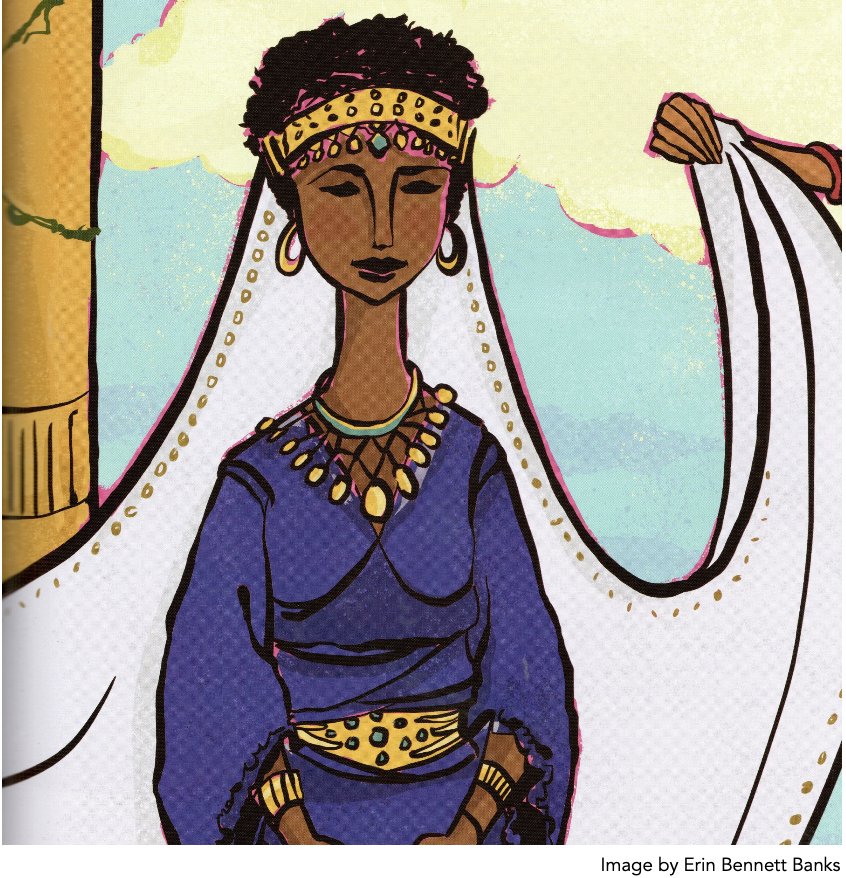
Is this the first time you’ve heard those names? Euodia and Syntyche?  I mean, they haven’t made the rounds in preschool classrooms or high school graduating classes lately, anyway.  These two women are evidently leaders in the early church. That alone should give us pause. 


Only, if we’ve heard of them at all, that’s not how we think of them. It seems that Euodia and Syntyche have come to represent not early Christian pastors or elders, but catty squabbling, you know, like women can get into.  Most of the time that sermons and commentaries mention them, it’s nearly always speculating what kind of drama was cooking up between them and how badly they must have been arguing for Paul to bring it up in this letter. But the gossip fizzles beyond that, because scholars don’t discern any pressing conflicts in Philippi, and Paul mentions nothing else in the letter itself. But it must have been juicy, right? 

I mean, in the paraphrase we read today there is a whole sentence about Euodia and Syntyche being in an argument and disagreeing, and Paul telling them they’re going to need to work it out. (Ending with a potentially exasperated, Help these women). But that is not in the actual letter of Paul.  Half the translations out there reflect what Paul actually writes, which is, “I urge Euodia and I urge Syntyche: be of the same mind.”  That’s it, that’s the entire sentence. Then he goes on to say to the community, these two women worked alongside me, and now I want you to look after them like you’ve done for me.

We are going to pause dear Euodia and Syntyche here in their contentious reputation, sit them down with Paul’s exhortation, and come back to them in a few minutes. 

I want to paint for you the picture of what these little first century churches and communities were like, and what Paul was trying to do with all his letters to them that have become letters to us.
A couple months ago, some of you were praying for me, when I went, in fear and trembling, to speak about Christianity to a class of high schoolers studying world religions. In my conversation with them, I used a video, made by some theologians and artists from the church Andy and I were with in Switzerland in May. It painted a picture of the early church and described what it was like for Rome to have to deal with this new upstart religion. 

This new movement was turning households and families on their heads. Instead of each person playing their proper societal role, these little bands of believers had women and slaves leading, embraced worthless children at the center of their life, ate all together at the same table, in short, they disrespected the hierarchy and sensible foundations of the whole society that kept order and stability. Their very way of life threatened anarchy against the empire!

Then, when Rome tried to stamp out “The Way” and scatter and destroy its followers with the greatest power it wielded, the power to inflict death, in all the creative and terrible ways of killing that the Romans were famous for, it got even trickier. Because when Christians were put into the arena with the wild dogs, they didn’t run screaming in terror, like normal people, they accepted their death with a strange peace. They were not afraid to die, like death didn’t mean the end of everything for them.  This actually made people start admiring them, instead of mocking them! 

These people claimed to belong to a different kingdom, and they seemed to believe it. They worshipped a God who had made himself weak, who gave up all the godlike powers to became human, and then even died! None of this made any sense. No god, of any peoples or lands the Romans knew of, made itself weak. No god would allow humans to kill it.  And no god who could be killed could be worth following.

Nevertheless, these followers of the Way were steadfast. They could not be controlled by the empire’s rewards, or manipulated by the empire’s threats, and they felt no compulsion or duty to uphold any decency or order that held the realm steady.  They even did not just look after their own; they welcomed in strangers and especially took care of the sick, the poor, prisoners and outcasts. Then, throw them in prison themselves, and they sing, for pete’s sake!

Our bible is filled with letters from Paul to these little communities all over, who are daily living faithfully in another realm, even in the midst of this one. They are real people with real questions and real struggles, losses, and joys, trying to work out how to live in a hostile regime with completely contrary values to the kind of life they’ve been brought into and are now seeking to live out.
And while the people change, and the details change, and the empires change, the calling and the struggle are the same today as they were then. How do we keep on living in the freedom we’ve been given in Christ to remain in our belonging to God and all others, and not fall back into the mindset of the empire?

The purpose of all Paul’s letters, is to remind the people of The Way that nothing is the same because of Jesus.  The cosmos has shifted, reality has broken open, the end is written, and our own lives are now caught up in the life of Christ, lived out in community with one another, in service to the world.  And wow, do we need reminding. 

Some of his letters, like the letter to the Romans, are treatises, where he’s trying to lay it all out to people he hasn’t yet visited. Several of his letters address specific arguments, issues or problems in the community he is writing to or between himself and them.  This letter before us today is neither. It’s a joyful thank you letter. The main message of the letter to the Philippians is, “Keep on doing what you’re doing.” (as summarized by Matt Skinner, Working Preacher).

It’s amazing, by the way, how much this message helps us in even the smallest of ways. On Thursday I had physical therapy for my bum hip, and my PT told me again how I should be doing the exercise I’ve been doing for two months. She described the a shallow pool of water, and imagining trying to slowly dip first one foot in, and then the other, while holding my core steady. When I demonstrated, she smiled and nodded affirmatively, “Yes! Just like that!” I was astonished how good it felt to hear someone who was guiding me at something say, “Keep doing what you’re doing!” 
 
In his letter to the Philippians, Paul says it this way,  
“2 Make my joy complete: be of the same mind, having the same love, being in full accord and of one mind. 3 Do nothing from selfish ambition or empty conceit, but in humility regard others as better than yourselves.4 Let each of you look not to your own interests but to the interests of others. 5 Let the same mind be in you that you have in Christ Jesus, who

Then he goes on to quote to them a shared song, a creed that becomes the center of this whole letter; everything he says before or after points to back to this familiar hymn. Scholars believe is perhaps the earliest one in the church – something they all would’ve known and shared. I like to imagine it was taught to him by Ananias and the community in Damascus whom he was intent on destroying but who instead welcomed him in and taught him the faith. It’s a song about Jesus, maybe even an action song that starts high and goes low and goes up high again. If you’ve seen the Odyssey, maybe it was something chanted with pounding stick and sweeping arms. The song says,

though he existed in the form of God,
   he did not regard equality with God
    as something to be grasped,
7 but emptied himself,
    taking the form of a slave,
    assuming human likeness.
And being found in appearance as a human,
8 
    he humbled himself
    and became obedient to the point of death—
    even death on a cross.
9 Therefore God exalted him even more highly
    and gave him the name
    that is above every other name,
10 so that at the name given to Jesus
    every knee should bend,
    in heaven and on earth and under the earth,
11 and every tongue should confess
    that Jesus Christ is Lord,
    to the glory of God the Father.
 
This is the core of it all for Paul.  

The mind we have in Christ is this mind; the reality we live in is this reality. The Christians facing down monsters in the arenas were not people of superhuman bravery in the face of death. The people of the Way to whom Paul is writing are not people of superhuman kindness in the face of evil, or superhuman self control in the face of temptation. 

They were people who have already died. Death has no power over us, nor sin, or temptation, nor evil, nor sorrow, nor pain.  All these things are real and we experience them, but they do not define us and cannot destroy us because we face them as those who have died and been risen with Christ into life on the other side of death, on the other side of fear, on the other side of threat.  
We have been given the life of Christ, the mind of Christ, the reality that Jesus lives in and opens up to us- of complete connection to God and one another forever in the love of God given to us by the grace and power of God.  So when the brain tumor comes, the addiction pulls us under, when the terrible longing for a loved one whose life we cannot set right throbs inside us every day, when we feel lost, or afraid, or overwhelmed, we can throw ourselves honestly, completely, without hesitation or pride on the mercy of God, whose will uphold us and carry us through through the arms and words and faces of those who share this way with us.

Which brings me back to Euodia and Syntyche, who’ve been patiently waiting for us to return.  “I urge Euodia,” Paul writes, “I urge Syntyche, be of the same mind in the Lord.” He continues, using a nickname of sorts for the community, “Yes, I ask also, you true yokefellow, help these, who worked closely with me, and also with Clement and the rest of my fellow workers, whose names are in the book of life.”

The people of God argue. That is not in question. Paul breaks up plenty of arguments in other letters to other communities, for sure. And maybe he’s doing that here too – there is no reason why that in itself would be a bad thing.  

But the whole letter is urging the whole community to be of the same mind in the Lord, the mind they have been given for their life in Christ, to keep doing what they’re doing, to live in the life-after-death Christ-way of relationship, the Christ-way of seeing the world, the Christ-way of relating to God. 

So, despite centuries of some bible readers largely assuming they were just a couple of gals in a heated spat, it’s possible that the same words mean the same thing when addressed directly to Euodia and Syntyche as they do in the rest of the letter to everyone else, and that these women who have worked closely with Paul, are here being commended to this community, to be welcomed in and cared for, and to share this same mind with them all. 

I kind of loved stumbling into this, because it just goes to show that even when we’re reading the bible, we dear humans often accidentally slip into the mindset of the empire, as though the more real things are the meanness and division, status and power, winning and losing, looking for the bad in the world and each other and having no problem finding it.

Remember, nothing is the same because of Jesus. We are citizens of a different kingdom. No matter how scary, or painful, or desperately sad the circumstances in which we find ourselves, we are not alone, Jesus came into this situation, alongside us, with and for us and brought to life a new reality, and not even death can break the love of God that holds us fast. 

When Paul writes to the Philippians, from his imprisonment under house arrest, Rejoice! Again, I say, rejoice! He’s not just giving pithy advice for getting along or ways to be good people. He’s not just saying, cheer up! Think of good things not bad! Think of happy, not sad! Dig deeper try harder be better!

He is saying we’ve died and been raised to new life, so Be filled with joy! I repeat, be filled with joy!  Pour out all our worries and fears to God, and God will hear us and give us peace. Give our precious and limited attention to what is good and beautiful in the world. Let gratitude well up and spill out because Thank you is the language of the real. Keep noticing hope, and recognizing love, lifting up forgiveness and living sacrifice, keep being open to delight and wonder, beauty and awe. Be one in this mindset of resurrected people, that baffles empires and makes no sense to earthly powers.  Help each other keep living here, as the dead who’ve been raised, surrendering our lives to God and giving ourselves to others.
Keep on doing what we’re doing. And the God of peace will be with us.
Amen.

Monday, April 6, 2026

What Easter is About


Luke 24:1-12

A few days ago, for the first time in 50 years, some astronauts left earth to travel to the moon. At one point on their journey, they will be on the far side of the moon. If all goes well, for nearly an hour they will be completely out of view of earth, out of communication range, in the cold darkness of the universe all alone, the furthest away any human being has ever been, with no way to connect with any person in the world. If I leave my cell phone at home when I’m heading to the grocery store, I will turn around and go back for it. What must it feel like to be beyond the reach of all that makes us human – other people, communication, the very earth itself? 

For astronauts who leave the earth, something really interesting happens with a really boring name, called the “overview effect.” We’re told that seeing the world from outside of it can overwhelm a person with a sense of what the earth as homereally means, where all people are together, and everything is connected, and it’s visibly clear that the divisions and boundary lines we live with are all made up. The beauty of the whole thing can feel, dare I say, earth-shaking.  

The Apollo 9 astronaut Rusty Schweickart describes it this way,
You realize that on that small spot, that little blue and white thing, is everything that means anything to you. All of history and music and poetry and art and war and death and birth and love, tears, joy, games — all of it on that little spot out there that you can cover with your thumb. And you realize that that perspective has — that you’ve changed. That there’s something new there. That relationship is no longer what it was.

Easter can be kind of fraught. It’s both this not-at-all-religious day of egg hunts, chocolate bunnies and maybe ham, and a highly-religious day, where we say and sing a bunch of things most of us don’t entirely believe, and some things we probably shouldn’t. 

We’re confronted with death right at the center of our faith, and the ugly story of the cross which carries with it so much baggage, and has been so misunderstood and misappropriated that some Christians have tried to sidestep it, preferring not to talk about things like sin and salvation, until the one week a year the cross is impossible to avoid, and then uncomfortably recite the words and sing the songs, for the sake of tradition and for the larger commitment to loving God and neighbor and trying to live a good life in a world that seems not to care much about any of that anymore, but all the while trying not to linger too long on the messy details at the heart of the narrative.

And yet. This is the heart of the narrative. Our whole story hinges right here. 

Christmas is easier to swallow – babies are cute, and angels are cool, and there’s less problematic imagery in Christmas hymns than Easter songs, and as scratchy and uncomfortable as hay may be, being swaddled in a manger is WAY cozier than being nailed to a cross.  

But the cross and the manger are together in the story that starts with God coming in alongside us to be with and for us, taking on completely everything it means to be human, not just the cute and cozy parts. If we’re honest, being human is largely uncomfortable and confusing, and there is so much suffering involved, and to cap it all off, there is no bypassing that, no matter what, we are all going to die. That is what Jesus comes to share when he’s placed in the manger. 

The cross is where Jesus takes on all the world’s evil and horror, injustice, and pain, when he was murdered by those in power—some greedy, some insecure, some hypocrites—and most everyone else who just went along with it. “Jesus died for our sin.” is what we generally say about that. But, wow, that’s a loaded sentence, and people hear it different ways.

Since the ‘s’ word gets used a lot today it might be helpful to define it. Human beings were made in God’s image to love one another and this earth-home we’ve been put on. Sin is when that true order of things is violated. Whenever we degrade someone’s humanity or act against our belonging to God and all others, that's sin. 

And the helpful thing about the Christian story is that it says aloud that even when we try our best to love other people or ourselves, or be the good we want to see in the world, very often we are the greedy, insecure hypocrites. And that collectively, sometimes humans are lovely, but often, we can be awful. Most likely we will keep hurting each other and ourselves and harming the planet, and if the future is all up to us things are not looking great. 

All our fear and dread, all our worry about our country, or our kids, or our jobs, or our health, or brutal, needless wars, or people being crushed under the boots of the powerful or cast aside as worthless, the cross says: it is as bad as you think it is, and it’s ok to call it that.  And, as bad as it is, as bad as it gets, as bad as it might ever be, we are not alone in this. God came in alongside us and took on all of it with us and for us, all the way to the cross. Jesus died for our sin. God is notwatching us from a distance. 

So the death of Jesus means something. But Easter is not really about the cross, it’s about the empty tomb on the other side of it. And that changes everything permanently.

It’s worth noting, that when the tomb was found empty, even the people who most closely followed Jesus didn’t suddenly think the whole world had changed or even believe at first that he had risen. They didn’t magically feel compelled to live in a different way. They were stunned, and afraid, and accused each other of lying. In fact, Mark’s gospel has three endings because people were uncomfortable leaving it alone at the most ancient version, which is, “So they went out and fled from the tomb, for terror and amazement had seized them; and they said nothing to anyone, for they were afraid.”

The most toward faith these first resurrection witnesses can muster is amazement. There is no great epiphany or belief, and definitely no celebration. They simply didn’t know what to make of it. How could such a thing be?

It’s not until the living Jesus encounters them that they see things for what they are: Everything has changed. The relationship is no longer what it was. There is no going back. The resurrection means that the pain we suffer and inflict, that horrors we witness or ignore, the damage done by and to us, the powers that dominate and oppress – all these things, in other words, sin and death is not the final word over the human community or this beloved planet.  

This world belonged to God already, but when God came into it alongside us, heaven and nature sang. And when Jesus died our death, no longer can anything separate us from love. And when he did not stay dead, the end of the story is decided – life, not death, is what prevails. The relationship between humanity and God, this world and God, has been settled once and for all. The final word is love. Love is where it’s all headed and love is all that will remain. 

You and I are not arbitrarily born, making our way by ourselves through a complicated world, doing our best while things around us crumble and decay, and hopefully we have more moments of happiness and sadness, hopefully we dodge the big suffering, and hopefully we manage not to hurt others too badly along the way. And then one day we die anyway, and in a generation—or two if we’re lucky—we disappear completely from living memory and that’s the sum of it. 

No. We are made for love, each one of us unique, every person part of the fabric of all things held together in love. We are bound to all others who are also here to love, in a world made for love, living inside time, which is made for love. And we participate in God’s loving and healing of the earth and its people, occasionally in extraordinary, supernatural ways that may leave us amazed, but mostly in the absolute ordinary stuff of life: conversations, tears, laughter, listening, play, rest, work, tending the earth and neighboring our neighbors. The living Jesus is right here, every day, doing this through us and for us. And when our time on this little blue and white ball come to an end, this bond of love that holds us to God and all others still does not break. 

If we’re willing to let it, Easter can be offer us the ‘overview effect.’ The little window through which we glimpse the big picture of what the earth as home really means, filling us with gratitude and wonder for the bigger reality we often forget or can’t see when we’re living within all the turmoil and conflicts of our made-up divisions and boundary lines.

But we can’t do that to ourselves any more than we can shoot ourselves into space to see the world from the outside, or decide to never sin again.  
Resurrection doesn’t mean anything until the living Jesus encounters us. What we can do is show up in our lives, however messy or hard, uncomfortable or confusing things may be, because this is where Jesus is now too.

But even if we are not showing up in our lives, even if we’ve cut off communication completely, turned our back on what makes us human, and find ourselves somehow in the farthest cold reaches of loneliness, not one of us is ever beyond the love or grasp of God. There is nowhere we can go, nothing we can do, that can separate us from the love of God in Christ Jesus. Jesus pursues us, has gone to death and back for us already, and will never stop inviting us deeply into our own lives. The Holy Spirit will never stop giving us specific opportunities to live in God’s love with and for the people here with us. God is persistent, and our defenses may not be as strong as we think they are. And besides that, God can bring healing or hope through us when we don’t even know it’s happening, and even seems to delight in doing so.  We don’t get to exempt ourselves from God’s love.

But when we are open, when we assume a stance of least resistance to what we cannot make happen, when we surrender to being found, or freed, or forgiven, how much more joyful life becomes to know our lives are participating in redemption and hope! Mystery invites wonder, the stranger is sibling, and love meets us in the depths of our suffering. “The power that raised Jesus from the grave now works in us”, freeing our hearts to live in God’s grace, helping us love our neighbors, ask for help when we need it, apologize when we’re wrong, forgive when it’s impossible, join together to oppose evil, daily participate in the good God is always pouring into the world, take in the beauty, live awake to the love that holds us all, and die without fear.

Christ is risen, everything has changed and there is no going back.
Amen.
 

Sunday, June 15, 2025

Who We Are and How We Know


 Esther (Bible Story Summary in bulletin here)

Who are we? What makes us who we are? How do we know who we are and not forget?  These are big questions, and the answers matter.

Right now our country is in the midst of these question on a large scale, which we saw played out this weekend in striking contrast of parade and protest, violence and voices, and at the moment, all eyes are on Minnesota at the moment as we reckon with political assassination – something that seemed like an ‘them, over there’ thing until it because an ‘us, here’ thing yesterday.  Is that who we are now?

I attended two funerals this weekend, and funerals also try to answer these questions.  Most funerals wrestle pretty directly with our two big questions, Who is this God and what is God up to? And what is a good life and how do we live it?  This weekend I heard that God is love, and Jesus came to share this life with us and overcome death, so that the separation of death we suffer now will not have the final word. And I heard stories of two very different lives, both lived well, lives woven into other lives with love, and lived for something bigger than themselves.  

How do we know who we are? How do we figure out what is God up to? What makes a life good, and how do we live well? These are not solo questions. We do not ask them alone. Faith is not an independent, self-directed thing. Neither is identity. We do not decide on our own who we will be. We get to explore and become, alongside people who see us and reflect back to us who they see us becoming, and encourage us in our exploring. We are always in context. 

To understand our context we use stories. The stories told at funerals and around the tables afterwards, describing scenes and moments, show us who people are, wonders what makes them that way, and so probe against the question of what a lifetime is for, and how to live it well. Stories tell us where we came from, and reveal how people before us navigated their lives. Stories help us to know who we are.

Reading the story of Esther on Purim grounds the Jewish people in their identity and context. Here was a time when they could’ve all been exterminated, and instead they were delivered. Here is another story of a Jewish person living in the royal court of their oppressors, like Daniel in Babylon, and Moses raised up by the Egyptian princess, and Joseph in Egypt before him.  Here is the story of a young woman whose courage to speak up saved her entire people throughout the whole empire. But she did not have that courage all on her own.  She said to Mordecai, “Have all the Jews pray and fast for me for three days, then I will go speak to the king, even though by doing so I may die.”

But instead of dying for approaching the king without permission, Esther’s request was heard, and the people were saved, and Haman was destroyed instead.  Mordecai himself announced the day of Purim should be celebrated, and so it still is.  

In telling it again and again, year after year, Haman becomes the representative of all anti-semites, and Esther is the paragon of courage. The story tells of this scattered and weak people, who by the hand of God, outlasted the Persian empire that almost wiped them out, and the Babylonian and Assyrian and Egyptian empires before that, and the Roman and Greek empires after it.  You come from somewhere! It says. You belong to something! Telling it again and again together, with food and ritual and songs and symbols and sounds and sharing with others and giving to the poor, helps to ground them in the truth of who they are and keep practicing who they are called to be. And it helps them watch for where God might be calling them to act now. Because in the book of Esther, God is not front and center. The people have to wrestle, and discern, and choose, and act, without some of the flashier directness God uses in other parts of scripture. So, it feels like the kind of discernment we modern people have to do too, when we hear Mordecai wonder if God might have allowed Esther to be in her position “for such a time as this.” And this ancient scroll drops that phrase into words the first time in human history. “For such a time as this” is the kind of line that blows open our imaginations, yanks us from our self-defined ruts and the constraints of what is – and propels us into the possibility that we’re actually living in a broader story, not dictated solely by what we can see, a cosmic timelessness that lands in time at certain points and calls us to respond.

In a little while we will gather at the communion table and we will hear the words of Jesus – the very words Jesus spoke over 2000 years ago, when he invited his disciples and so invites us all these centuries later – to come to this table, and share this bread and this cup – that this is his body and blood shared for us, his very life given for our life, drawing us into life that will not end.

How do we know who we are? How do we figure out what is God up to? What makes a life good, and how do we live well? 

Do this in remembrance of me, Jesus says. Come back to who we are together. You are not alone and apart. You are part of me and joined together as a people claimed for God’s way and defined by God’s love.  

Our identity is not our own. We are in Christ. That means that we have died his death and been raised into his life, and this life that cannot die is what defines us.  Sin says we are apart and against, we must earn our belonging and we can refuse others’ theirs, we have to hide in shame when we mess up and strive to make our life valuable on our own, but we are dead to sin. All need for fear and self-protection has died with Christ.  All our losses and pain are not ours alone to hold, we are held together by God in the hands and hearts of other people. Christ’s complete belonging to God and all others is given to us. That is who we are. Beloved Children of God, each one of us uniquely made and directly called to participate in and share God’s love. And we come from a community of those who’ve died and been risen to freedom and hope.  This identity is unshakable and secure, because God decides it is so. 

But sin is loud and fear’s voice is persuasive. We forget who we are. So when we come to this table, it is like sitting down to eat with all those gone before, and all those right now around the whole world who are also in this community of the died and risen One, whose lives are part of Jesus’ life, and who live as a people claimed for God’s way and defined by God’s love.  

Then we do what Jesus told us to do at this table, but we also retell the story. We remember how it began, and this remembering together and practicing together, helps us remember and practice being who we are right now, with courage and hope, and helps us look forward to the day when what we are practicing for becomes the full reality forever.  

Today we prayed a blessing on our high school graduates. As they keep asking the questions that human lives are shaped around, How do I know who I am? How do I figure out what is God up to? What makes a life good, and how do I live well? Their immediate context will change but their larger context remains the same. The somewhere and someone they come from is not just their families and friends, it’s us, but not only the little LNPC us here and now, the big us. They come from a story that reaches back to the beginning of time and forward beyond time, a story shared in ritual and rhythms, in relationships and in remembering. They come from Esther, and Joseph, and Ruth, and Samuel, and Jacob, and Hagar, and Moses, and Mary and Joseph, and all the followers of Jesus who had no clue what they were doing but followed anyway and God took care of them and invited them to join in what God was up to anyway. They come from these stories practiced in candlelit Christmas eves, and finding Easter Hallelujahs and being served communion by the person next to you, and most importantly, praying and being prayed for. Watching other people struggle with suffering and sadness, and holding them up to God.  Knowing other people are holding you up to God because they’ve literally sung “God in your loving mercy hear our prayer” about something you just named aloud. 

When Esther was faced with something impossible, something terrifying, with huge consequences – it could maybe save her whole people? Or she could maybe die? – she said, ask everyone to pray for me, and I will do it.  

When you belong to the people of God, you are not alone. The people of God are people of prayer, people who help each other remember it is God who saves, and it is God who acts, and it is we who join in, we who get to be part of the action and the saving that God is doing. These people are here in this room, and these people are everywhere. Your community is vast.

We live short lives inside a long story. Empires rise and empires fall, but God is constant. This is our context.  The people we love live their good lives and then die, and we miss them, and then we tell stories to help us know who they were, and know who we are because of them, and help us figure out what makes a good life and how we might live, and watch for what God is up to in all of this. And their life goes on beyond what we remember and so we remember that ours will too.  

As we bump along our own lives, mostly doing our best and making it up as we go, we are held in a web of story, and prayer, and remembering, and retelling. That is how we keep bravely asking the human questions, and this is how our identity is shaped and held. 

Who we are is the people who’ve died to death and been raised to life, who practice being available to God and letting God’s love and healing come through us. And in the cosmic timelessness of Jesus Christ, our lives are always for such a time as this. 

Amen.

Sunday, December 1, 2024

People of Hope

Exodus 7-15 

Episode 7: Moses & The Exodus

On Wednesday I attended the funeral of a woman who died of cancer, a mother of two sons, the youngest 13. Her devastated husband was shaken to the core to lose this love of his life. Who am I now? he asked, without her? Impossible. This thing he must do now, to live into a future without her? It’s impossible. 

Today begins Advent, a season of waiting for the arrival of our Savior. This first week of Advent is framed by hope. Hope is trusting in a future we can’t see right now.  Rev. Ralph Abernathy, Dr. Martin Luther King’s closest friend and advisor, said “I don’t know what the future may hold, but I know who holds the future.” This is hope. 


When our story opens, Moses is an 80 year old shepherd, who fled Egypt decades ago after murdering an overseer who was beating a Hebrew slave. After a dramatic childhood, he has lived out most of his days in the relative quiet and obscurity of the wilderness, tending sheep. When, from the bush that burns without being consumed, he is addressed by the God of his ancestors, and told that God has heard the people’s suffering, that God will be sending Moses to the pharoah to demand their freedom, and draw them into them a different future, Moses asks, “Who am I to do this?’ 


Who am I to do this? Who are we to bring about the future we think needs to happen? Or to stand against the future we dread coming?  Who are we to move forward in impossibility and make a life of it?


God answers Moses’ question with God’s own name, “Tell then I AM Who I Am has sent you,” and then, what gets translated “I will be with you,” God’s next statement is actually more like, “You are the one I am with." Then God says, "Watch what I can do." 


I Am Who I Am, and you are The One I Am With. Watch what I can do.


The baby whose life was spared by Shiprah and Puah, and saved by Jochebed and Miriam, who was first named “Drawn Out of the Water” by the pharoah’s daughter, is now called “The One Who I Am With” and summoned by God to join in as God delivers God’s people from slavery. 


Moses is not the protagonist of this story. He is not the savior, he’s the sidekick. What is about to happen is not from anything Moses can do, it never has been, not with Moses or Joseph or Jacob or Sarah and Abraham – it’s always been God’s work -  God’s choosing and God’s equipping, God’s plan and God’s action. Moses’ work is to surrender in obedience to God – to join in God’s work and trust that God will bring it about. Moses is called into a future he can’t see and can’t possibly make happen. But he must first know who it is who holds the future.

So God gives Moses God’s name. 


This name, Yahweh, is ambiguous in that it is both outside time and timefull – past, present and future are all wrapped up at once in the word. It could be, I am who I am, I am who I will be, I am who I was, I was who I will be. God is always present, past and future, outside of time, but fully entering time with us.


The name is an action word, exist, cause to become, and come to pass are all wrapped up inside of it.  We don’t know what the vowels are so we guess, and say Yahweh, or Jehovah, but to speak it alone almost sounds like breathing. It’s shortened Jah, like Hallelujah! Or, Praise God! The angels announcing God’s coming into the world sing their hallelu to Jah with the startled shepherds. The crowds waving palm branches shout their hallelu to Jah at the man on a donkey, praising the God who was, and is, and always will be right there in their midst. 


Even though the name Yahweh is written 7000 times in the Old Testament, it was not spoken aloud from even shortly after the Exodus. It felt too intimate, too sacred, so it is instead translated Adonai, and everywhere it appears in our bibles it’s instead written “the Lord” in small caps. It seemed too easy to exploit, to manipulate the name of God for our own purposes, to act as though the power is ours rather than God’s. Access to God is on God’s terms, not ours, and not to be taken lightly, made into a platitude, or assumed for our own ends.


God sees the people’s suffering; God opens up God’s own self to share the suffering and makes Godself vulnerable. When God gives Moses God’s name, God says, I am for you, and you may address me, I will be here. God invites relationship. Invites trust.  God comes into our broken places as God’s self. Not a nameless king or pharoah lording power over us, but I AM Who I Am, here in it with us. 


“I will teach you what you are to say,” God tells Moses, who is so worried about speaking. And I will give you someone to speak with and for you, your brother Aaron. In other words, Show up. I’ll take it from there. And you are not in it alone.


So God makes Moses into a minister, as God is. Then, God invites the pharoah to minister as well, which is to say, to come back to his humanity. We are made in the image of a ministering God, and we live that truth out when we minister to others. Again and again, God commands the pharaoh to let the people go, and again and again Pharoah resists. His heart is hardened, whether by God, or his own stubbornness, or both, and he does not submit.  


He will not win. God will prevail. Pharoah is used to power and control, but his power is nothing against the maker of the universe - it was no match for the trust and obedience of the lowly midwives through whom God spared the Hebrew babies and set Moses on his path. The pharoah can’t stop any of this from happening. He could help it happen, but he chooses not to, so it happens over and against him instead of with him.


When the people have fled Egypt - when the story of the Passover that becomes the meal that feeds them with memory and gratitude for centuries to come, turning their hearts to who God is and what God is up to and helping them watch for God’s coming, when the frantic departure has happened and they’ve begun the journey, hemmed in from before and behind, protected and guided by Yahweh, and it seems like they’re in the clear - then the real terror descends.

Suddenly they’re pinned between the watery chaos of the sea that is the death in front of them and the raging armies bearing down that is the death behind. Now the impossibility is stark – What are they to do? Nothing. They can do nothing. Only God can act. 


When we are trapped in impossibility, when death is all we can see, there is nothing we can do to pull ourselves out or to save one another.  There is nothing we can say to fix or change things for someone in that place. Who are we to make anything happen? 


The command comes to them there, in that utterly hopeless place, Do not be afraid, Be still. Be still and see what God will do for you.


And then God acts. God parts the waters of death and leads them into new life. And when they’re safely across, and the impossibly powerful force of destruction that is the entire Egyptian army is utterly destroyed in their wake, sister Miriam, the now-elderly prophet, leads the people of God in singing their hallelu to Jah and praising the God who saves.


The future, and our futures, are held by I Am Who I Will Be, who calls each of us One Whom God Is With. 


God comes in to be with us. Both cosmically, to save us all, and personally, to lead us through all the deaths of our lives into new life, again and again. The one who brings being into being, has come, is here. Jesus Christ is God with us. Born into this life of dying, Jesus takes our impossibility into the very heart of God.


In Christ, we are made bearers of hope in the world, and for the world. We become people through whom God brings about God’s future.  People who go into impossibility alongside others as those God is with and we wait there for God to act.  


We are drawn into the timefulness of Yahweh. With eyes wide open, we see the world as it is -  without hiding in denial or fleeing to optimism - but we also know that what is is not all there is or will be. Trusting this, as Rev. David Wood said so beautifully a few weeks ago in his letter about hope: instead of reactive we become responsive. Instead of anxious, we become available.  And instead of distracted, we become attentive, watching the one who holds the future to be now who God has been. 


Our story is not our own, it is God’s. It is the story of those gone before and those to come, it is memory and gratitude, water and naming, impossibility and deliverance. It is the story of the God right here with us, who sees and bears our suffering, who sends us to be ministers to one another and receive the ministry of others, without knowing how we will do this, only promising to be with us and to tell us what we are to say. It is the story of the God who is turning the world around in hope and can be joined but cannot be stopped. 


Who are we to bring about the future we think needs to happen? Or to stand against the future we dread coming? Who are we up against death and despair?  When all is lost and we can’t see our way forward, when the impossibility is most stark –we can do nothing. Only God can act. And God says, Don’t be afraid. Be still and watch what I will do. 


Together, for others and for this world, we trust in a future we can’t yet see, because we know who holds the future. We are people of hope.


Amen.


Where we've been - 


Episode 1: The Beginning

Episode 2: Noah (conversation - so this sermon is from 2014)

Episode 3: Hagar, Abraham & Sarah 

Episode 4: Jacob

Episode 5: Joseph

Episode 6: Brave Women of Egypt

Sunday, November 17, 2024

Agents of Life


 Exodus 1-2:10 


Episode 6: Brave Women of Egypt 


I thought Lincoln was the one who said, “The only thing to fear is fear itself.” But it turns out that was Rosevelt. Apparently, Abraham Lincoln’s famous quote on fear was, “A woman is the only thing I am afraid of that I know will not hurt me.” (aww).


Our story today is a story of two kinds of fear. 

First up, the fear of Pharoah. The most powerful person in the land, but he is the new guy – he doesn’t remember Joseph and the way Joseph helped save the whole empire.  There is no basis for his fear of the Israelites, but fear doesn’t need to be rational. Pharoah’s insecurity, his lens of scarcity– what we around here call The Way of Fear—means  he sees them as threat, competition, and danger.  In order to feel safe, powerful, and in control, he must squash them.  

So Pharoah oppresses and enslaves the Israelites. But still, they multiply, and his fear multiplies too, and because fear is contagious and insidious, it spreads, and it makes us see one another as other – not even human – until we can justify doing or saying terrible things and even, ultimately even ending each other. Fear takes over like a cancer, invading minds, bending wills, tarnishing souls, and conscripting human beings as agents of fear and destruction. Soon all of Egypt fears the Israelites, and Pharoah is desperate and obsessed with destroying them. 


But a completely different kind of fear is centered in this story. It’s shown first by the midwives, Shiprah and Puah, who happen to be pretty much lowest on the Egyptian pecking order—barren, slave, and female—and who have real reason to be afraid, (what with the command from the Pharoah to murder and all).  And even though they may be afraid for their lives, this other kind of fear is stronger. Twice we are told they fear the Lord.


This phrase is used in our bible a lot, but there is no good direct translation or easy idiom to express in English “the fear of the Lord.”   It’s not the same as the Pharoah’s unjustified and self-centered fear, or even justified fear of a powerful, hellbent Pharoah – though the overwhelmed sensation may be part of it. The meaning of “fear of the Lord” is layered, and centers around truly appreciating who God is, so it includes awe and wonder, even trepidation, but also deep trust, respect, gratitude and obedience. 

It might be said that when we fear the Lord, God and humanity are put back in proper position, and we truly, deeply remember whose we are, and so we also bravely and freely live who we are: beloved children of the Sovereign God of Shalom, who brings wholenss and healing, and calls us to love God and one another. There is no higher identity or calling. There is nothing more real or trustworthy.


The Fear of the Lord is the beginning of wisdom, Proverbs (9:10) tells us. Because these midwives fear the Lord, no matter what is happening to them or around them – and it’s really bad – nevertheless they are living bravely in The Way of God.  And it’s worth noting that while the Pharoah remains unnamed, because it doesn’t really matter who he is, a nameless agent of death –these two seemingly insignificant women are agents of life – and so we know them by name. 


The Pharoah’s fear begins in forgetting.  Insecurity and self-preservation drown out the story of belonging, mutuality or salvation, and when that happens, long relationships, like the one between the Egyptians and the Israelites, are lost in the way of fear. 


But Shiprah, Puah, and Jochebed and Miriam – they remember: God is God. And so, they trust God above all the authority in front of their eyes, the evil perpetrated by a selfish and fearful ruler, the suffering, damage and death wrought by those in power. 

Right in the middle of all that, they act for life.  They know God will provide. They respond in each moment to our belonging to God and each other by upholding humanity where they can, and speaking up where they can, and being ready to act when and where they can. And God makes a way – for them and through them.  


The women in this story are all partners in the salvation of God. They join with the God of life in bringing life.  And the defeat of the evil empire, the freeing of slaves, and the defining story of the children of God that will unfold in the decades to come, which will shape the trajectory of the salvation story for you and me too, is set in motion through the hands and actions of these women: The midwives who saved countless infants and delivered baby Moses into the world, the mother who loved and guarded him and then let him go into the water, the sister who watched over him, and spoke to power and returned him to his mother’s care, and also, surprisingly, the Egyptian princess who drew him from the water and claimed him as her own. 


Because while we might expect to see the Israelites as heroes of the story, who we do not expect to see as an agent of salvation is the enemy’s daughter.  At the moment a pampered princess lifts a doomed baby from the river, her life turns toward the other in love, and his role is cast. She will raise him right under the Pharoah’s nose and God will use him to set the people free. 


God is greater than our stereotypes, and even our firmly held convictions, and God uses who God chooses. Not only can God NOT be thwarted, but God’s preferred methods thwart our divisions. No power or principality, no selfish, insecure despot, no extraordinary evil or everyday unfriendliness can derail God’s salvation of the world, and God brings that salvation mostly through ordinary people in acts of simple humanity.  


The world is filled with pain and suffering, and none is exempt. But life happens anyway, and death cannot stop it. When in our forgetting we succumb to fear, and our longing to feel safe, powerful, and in control is the biggest and loudest thing, the temptation is to turn inward in self protection, and to make exceptions to belonging. We decide that some people – because of their selfish actions, or cruel words, or stupid beliefs, or contrary votes – don’t belong to us and we don’t belong to them. That they are not our problem or our responsibility, or they have no wisdom or kindness to contribute to our lives, or we have no calling in common or work to share.  But that is not how this works. 


That we are in this together, given to each other, is not ours to decide. It’s the proper ordering of things- God is God and we are God’s children, made in God’s image to care for one another and the earth. Period. I don’t get to mistreat or disown siblings in the human family because I fear them or they threaten me, or because they fear me or I threaten them. It doesn’t work like that. 


But if we do – fear and threaten each other – will that stop God’s salvation from coming? If we act as agents of fear and death, absorbing and spreading disgust and distrust, undermining connection and reinforcing isolation, does that thwart God? 

No. God will keep using the sisters, mothers, midwifes and enemy’s daughters and do the world-saving anyway.  


There is so much more story to come! Moses’ life is just getting started! (Your homework between now and December is to watch The Prince of Egypt!) And while the big, epic tale of the Israelites’ deliverance is a lifetime away, make no mistake, it is coming. 

At the same time, there is no new story. As Ecclesiastes says, there is nothing new under the sun. Evil gonna evil. Humans gonna human. Pharoah Fear is no different now than it was 3500 years ago. But the fear of the Lord is the same as it was then too.  


You and I will inevitably fall into trap of fear and sin because we are human, and life is scary. But we’ve been redeemed by the God whose salvation works in and through common people, and who came right into all of this to share in it with us, to die our death, so nothing can dictate the future of the world – or of our own belovedness or belonging - except for God and God alone. 

So we can trust this, that is, we can fear the Lord. In awe and wonder we can appreciate God being God, and in gratitude and obedience we can recognize our calling to love and serve God and our neighbors. The rest is details.  


Later on, when the Israelites are free and settled in the land God has given them, and Moses’ earthly journey is almost over, God will give Moses a message for the Israelites, which is this: 

“I have set before you life and death. Choose life so that you and your descendants may live, loving the Lord your God, obeying him, and holding fast to him.” (Deut. 30:15-19)


Whether the stakes are high and alarming, or life is just ticking along as usual, the choice is set before us again and again.  Each time that happens, may the Holy Spirit help us to deeply remember whose we are, and so we also bravely and freely live who we are. You and I are agents of life. 

Amen.gs- God is God and we are God’s children, made in God’s image to care for one another and the earth. Period. I don’t get to mistreat or disown siblings in the human family because I fear them or they threaten me, or because they fear me or I threaten them. It doesn’t work like that. 


But if we do – fear and threaten each other – will that stop God’s salvation from coming? If we act as agents of fear and death, absorbing and spreading disgust and distrust, undermining connection and reinforcing isolation, does that thwart God? 

No. God will keep using the sisters, mothers, midwifes and enemy’s daughters and do the world-saving anyway.  


There is so much more story to come! Moses’ life is just getting started! (Your homework between now and December is to watch The Prince of Egypt!) And while the big, epic tale of the Israelites’ deliverance is a lifetime away, make no mistake, it is coming. 

At the same time, there is no new story. As Ecclesiastes says, there is nothing new under the sun. Evil gonna evil. Humans gonna human. Pharoah Fear is no different now than it was 3500 years ago. But the fear of the Lord is the same as it was then too.  


You and I will inevitably fall into trap of fear and sin because we are human, and life is scary. But we’ve been redeemed by the God whose salvation works in and through common people, and who came right into all of this to share in it with us, to die our death, so nothing can dictate the future of the world – or of our own belovedness or belonging - except for God and God alone. 

So we can trust this, that is, we can fear the Lord. In awe and wonder we can appreciate God being God, and in gratitude and obedience we can recognize our calling to love and serve God and our neighbors. The rest is details.  


Later on, when the Israelites are free and settled in the land God has given them, and Moses’ earthly journey is almost over, God will give Moses a message for the Israelites, which is this: 

“I have set before you life and death. Choose life so that you and your descendants may live, loving the Lord your God, obeying him, and holding fast to him.”


Whether the stakes are high and alarming, or life is just ticking along as usual, the choice is set before us again and again.  Each time that happens, may the Holy Spirit help us to deeply remember whose we are, and so we also bravely and freely live who we are. 

You and I are agents of life. 


Amen.


Where we've been - 


Episode 1: The Beginning

Episode 2: Noah (conversation - so this sermon is from 2014)

Episode 3: Hagar, Abraham & Sarah 

Episode 4: Jacob

Episode 5: Joseph


My plan for Election Day

My plan for Election Day  (by Pastor Kara) 1- I will Vote. 2- I will see and value my fellow citizens, and especially our poll workers.  I...