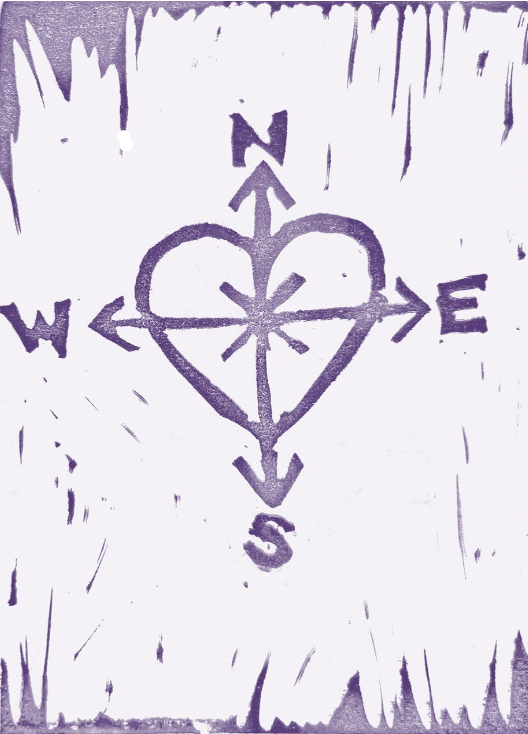
We are what we love, St. Augustine asserted, and this Lent we are exploring how what we love and desire is shaped by our unthought habits and repeated rituals. It’s our chance to do a “liturgical audit” – to ask what habits are shaping me away from life? And what habits are shaping me toward life?
We learn habits through repetition; they become so ingrained in us that we don’t even think about them. So changing habits can be daunting. Once we recognize an unhelpful habit, we want instant results and immediate gratification. We modern folks are not wired for the long, slow slog of repeating uncomfortable things until they become second nature. We’d rather keep repeating comfortable things, even if they’re not great for us.
A couple years ago I realized my problem with exercise was not that I didn’t have the right health club membership, exercise partner, tennis shoes or motivation, but that I didn’t have the right habits. I was formed and forming myself as a person who thought exercise was a good idea and did it when I could, but mostly just practiced feeling bad I wasn’t moving as much as I believed I should be. But, it turns out that changing my habits has changed my desires, and lo and behold: I have become a person who exercises.
When I decided I would not be all or nothing about it, my mantra became Anything worth doing is worth doing poorly. (This carries over quite well to things like thank you notes and birthday greetings, but not to things like home repair projects or driving). Consistency, rather than quality, was what mattered in my habit-learning quest, so I decided I would exercise every single day even if it was just for a few minutes, whether I felt like it or not. The promise was, if I did it every day, I would reach a point where it would become just like brushing my teeth—I would no longer have choose to do it, it would just happen.
And I had evidence this could be so. I do, after all, brush my teeth—twice every day, in fact. And I tie my shoes like a pro without even thinking about it. Because a long time ago, I learned how by doing it imperfectly, over and over again, and probably I cried about it a few times. And now, I exercise. And as a totally non-athletic, lifelong avoider of sports, after a couple of years of moving on purpose every day, I sometimes really look forward to exercising – though mostly I love the feeling of having exercised.
Why can I apply these habit-forming ideas to things like eating vegetables or exercising, but I can’t seem to do so with prayer? I put up all sorts of hurdles and barriers between God and myself. Even though I long to be connected to God, and I want to be a brave, kind person in the world, it appears I would much rather stay busy and distracted, even by tedious and unpleasant tasks, and practice feeing bad about “not praying enough,” than assume the inner stance of least resistance and terrifying openness to being encountered by God as just my vulnerable old self.
Turns out, we humans have a long precedence of creating barriers to God for ourselves and others.
The marketplace situation in temple that Jesus blew a gasket over was not something out of the ordinary - it was business as usual. People had to change their normal money for temple currency, to buy sacrifices to offer to God here in this place where human beings and the Divine meet each other.
But that’s not how things started. Way, way back, when God was giving the Israelites instructions for how to live as God’s people, God said,
Dedicate 10% of all your harvest from your cattle, crops, and vineyards, and bring it to God, and feast on it with God. This is a way to remember, every year through practice, that you belong to God. And, so you don’t forget that you also belong to each other, every three years, use your saved up 10% to stay home and throw a feast in your own town for all who are in need.
To help this happen, God’s law accommodated those who couldn’t reasonably travel long distances with 10% of all their harvest and animals. They could sell it, travel with the money, and then buy lovely things for feasting with God when they arrived at the temple.
But over time, this directive that was supposed to make celebrating belonging to God and to each other more feasible for all, became a gatekeeping instrument, an obstacle to navigate, a hurdle to jump through. Now, whether you lived near or far, you needed to trade your money for temple money, and likely also exchange whatever imperfect gift you brought for a more perfect, worthy sacrifice.
And so, a whole business arose in the temple to mediate the connection between human beings and God, and this is what Jesus came bashing and crashing and yelling about. 1500 years later, Martin Luther will call out the church for similar practices of selling and buying access to God, though in a far less dramatic tacking up of a piece of paper with some provocative statements written on it, onto a Cathedral door.
It turns out that even those of us who believe in a God of mercy and grace, belonging and wholeness, often tell a different story with our practices and habits, You belong if… you don’t belong unless… you only belong when…
After Jesus’ outburst, when the air clears of feathers, the coins stop rolling, and the shocked silence holds them all, someone clears their throat and asks, "What sign can you give us for doing this?," What an astonishing and wonderful question to our modern, secular ears! This question means they were willing to consider that God might be redirecting them through this – they were open to a Divine course correction.
Lent is a great opportunity to be open to a course correction. But it can’t come from more of our own well-practiced, malforming habits.
When Jesus answers them, he does that frustrating thing where he stays all metaphorical and vague, saying, Tear down this temple and I will rebuild it in three days. Only he uses the other word for “temple” not as in "sanctuary space," but as in “the place where God dwells.” And the gospel author helpfully tells us he’s not talking about the building they are standing in, but about his very body.
I am, Jesus will go on to say a million times in John, I am the way and the truth, I am the good shepherd, I am the light of the world, I am the resurrection and the life. I am the place where God dwells, the ground on which God and humans meet.
God became flesh and dwelled among us, breaking through barriers of time and space to be with us, and nothing can separate us from God's love. According to the Apostle Paul, because we are in Christ, we are now the temple, the very place where God dwells. Our ordinary lives are the sacred ground on which Divine and human meet. We are the Body of Christ, the dwelling place of God.
And so, Lent’s Divine course correction opportunity asks us,
How are we making our lives into a marketplace?
How do we sell our attention and earn our worth?
What hurdles do we put up to connection, and what barriers do we build against belonging?
Do we despise our own imperfect gifts and try to exchange them for a more perfect, worthy sacrifice?
As parents, or partners, or neighbors, or friends, do we construct all or nothing approaches that wall us off from the terrifying vulnerability of being human alongside one another and beloved of God, just as we are?
How do we habitually resist being encountered by God?
And what are the well-worn ways we withhold the possibility of access to God from those we despise?
Do we avoid being brave and kind because we can’t do it perfectly?
And with what patterns do we refuse to rest because we suspect being unproductive means being worthless?
We are so practiced and proficient at our habits of disconnection and alienation from God and the world - which is another way of saying, we’re so good at our sin – that we do it without even having to think about it. It’s ingrained in us. No amount of our own effort can free us. We cannot save ourselves.
The good news is Jesus is ready and willing to storm into our business as usual, and tear down every barrier we erect that divides us from God and each other. He is always opening cages and letting our guilty pride and pampered self-loathing fly off. Jesus will drive out every label and prerequisite we place on ourselves and others for how to be included or excluded as God’s beloved people. He’ll chase away our carefully calculated good deeds, toss out our smug judgments of one another, and gladly scatter in the dust all our well-honed measurements of worth.
Once that happens, the compasses of our hearts are recalibrated by the promise that in Christ’s body, Christ’s own relationship to God, we are pulled into love and set on a new path.
And just as we may not realize we have habits that are misdirecting us, we also probably don’t appreciate those habits we have that reinforce us in our belonging to God and all others. Just take today, for example. By getting out of bed and coming here, even when you don’t necessarily feel like it, because here something happens that we can’t make happen, without even realizing it, we’re being, with and for each other, the place where God dwells.
Today when we confessed our sin and sought forgiveness, sharing words spoken by followers of Jesus for hundreds of years, and when we called one another to worship by receiving the welcome of God and remembering out loud why we’re here, and in a few moments, when we lift up our fears and joys to God with one another in prayer, we are practicing assuming the stance of least resistance to being encountered by the Divine.
When we share what we have in offering for the work of God between and among us that is only sustained by our free giving, we are living in a different economy than the marketplace of the world. When we depart in blessing and are sent out to see strangers as siblings, and our neighborhoods and communities as the sacred ground where Jesus shows up, we are learning new habits of relating through repetition. When we remind each other to watch in the world for God’s hope and healing, and we use our time and gifts to share in that work, the compass of our heart is pulling us toward God’s trajectory for the world. Each time we acknowledge beauty, and let ourselves listen deeply, we are attuning ourselves to the Creator. And every time we answer our knee-jerk dismissal of another person with an internal reminder of their belovedness, and an external acknowledgement of our shared humanity, we are joining in our own transformation.
Talking to God is worth doing poorly. So is reaching out to someone we’re worried about. So is accepting help from others. Saying things wrong to someone we love, and imperfectly apologizing does far more to shape both of us in our already-belonging than fearfully guarding our words does. Practicing forgiving forms us toward freedom.
By repeatedly doing these uncomfortable things until they become second nature, we’re participating in God’s relentless redemption of the world and of ourselves, so that, little by little, by the grace of God and power of the Holy Spirit, living our belonging to God and all others become more and more habitually ingrained in us, directing our love so we become who we are.
Amen.